

When it comes to repairing or installing industrial flooring, selecting the right contractor is just as important as selecting the right flooring system.
Many contractors can provide a competitive price. Far fewer understand how to work safely in an active manufacturing environment, minimize downtime, and install a flooring system that will perform for years.
Before signing a contract, ask these ❺ FIVE questions.
The answers will tell you far more than the proposal.
1. What Industries Do You Typically Work In?
Not every flooring contractor is experienced in industrial facilities.
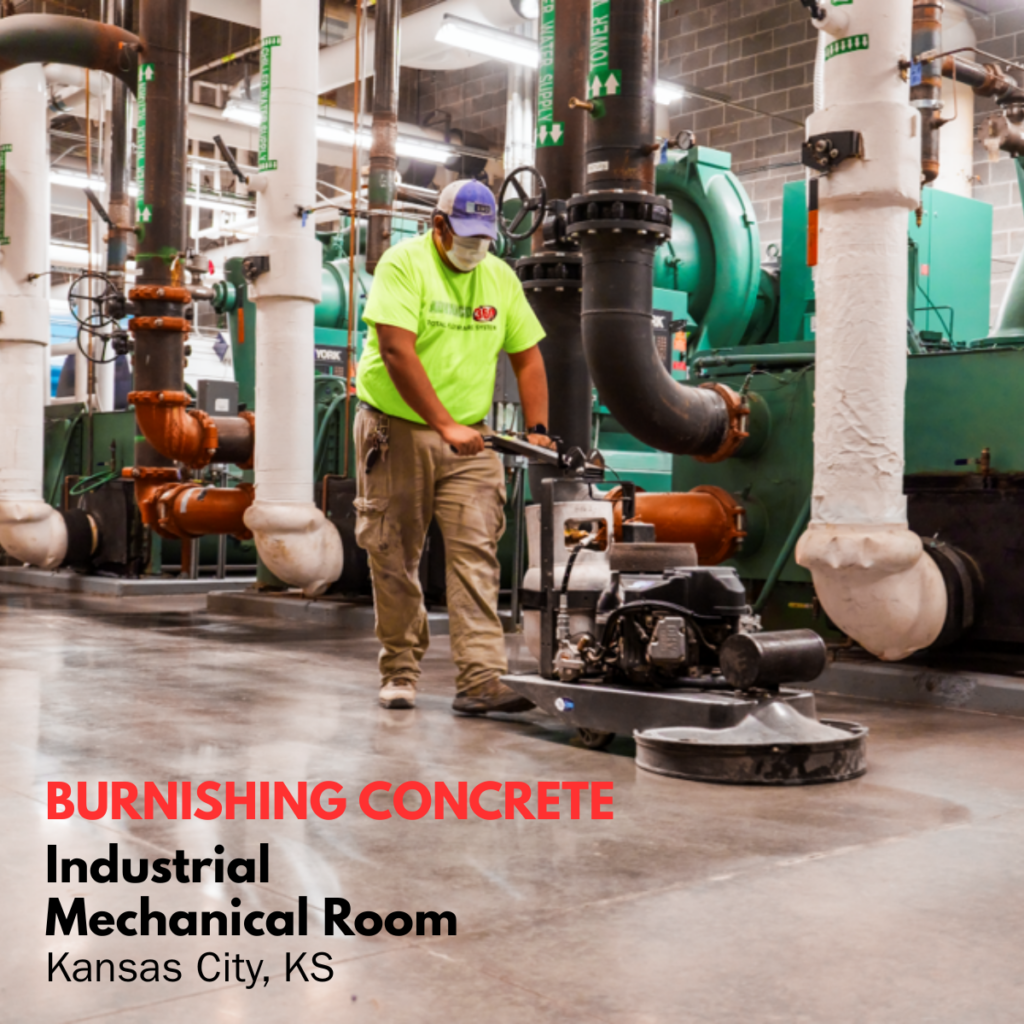
Installing a decorative floor in an office lobby is very different from repairing concrete in a manufacturing plant, food processing facility, warehouse, pharmaceutical plant, or distribution center.
A contractor who regularly works in industrial environments understands:
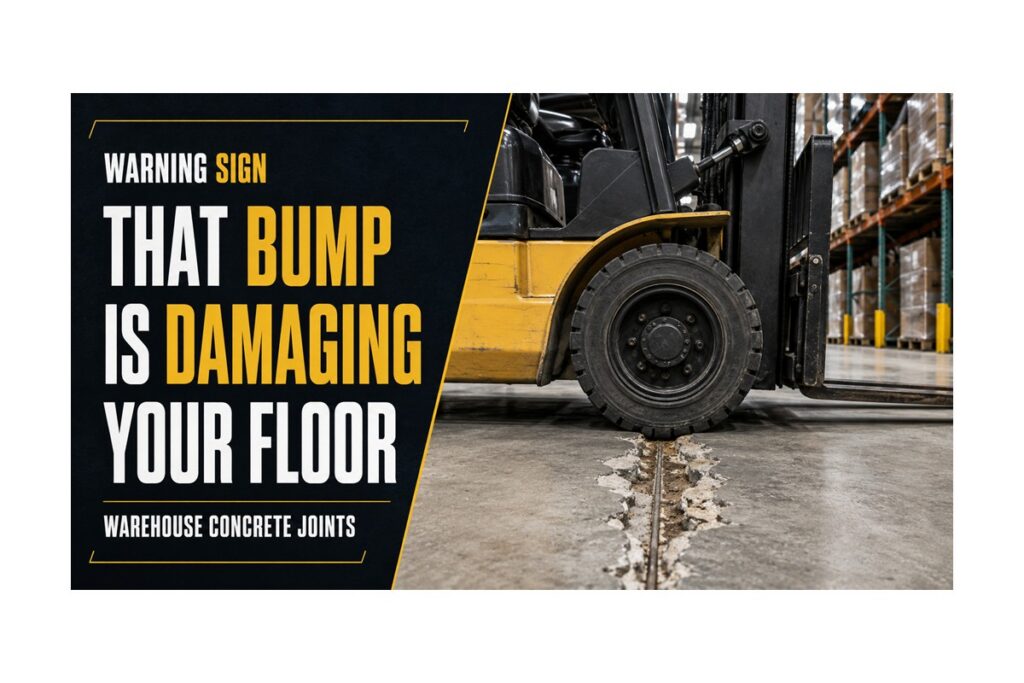
🚜 Heavy forklift traffic
☣️ Chemical exposure
📋 Production schedules
⚠️ Safety requirements
🚫 Minimal downtime expectations
✅ Industrial cleaning standards
Ask for examples of facilities similar to yours.
If they cannot provide them, they may be learning on your project.
2. What Safety Protocols Do You Follow On-Site?
Safety should never be an afterthought.
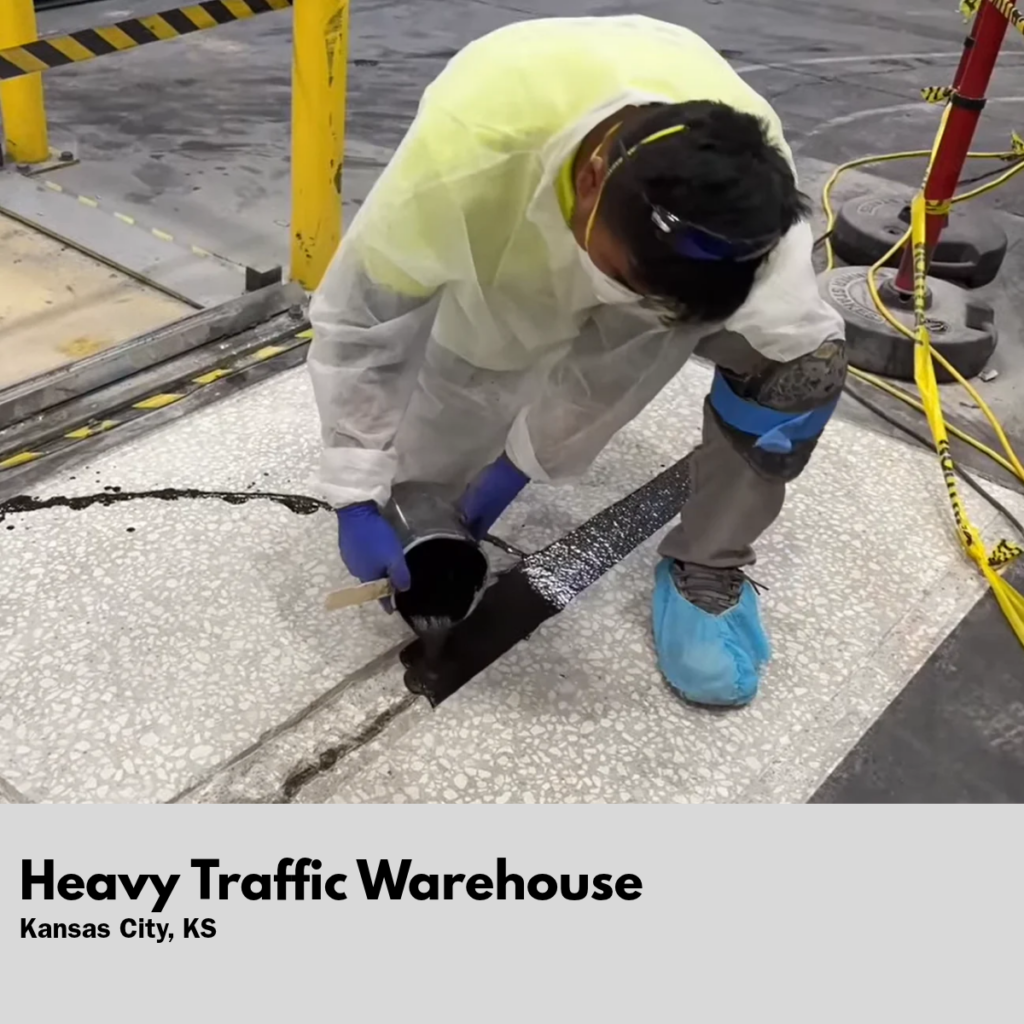
Professional industrial contractors should already have documented safety procedures, including:
🟢 | OSHA compliance
🟢 | Site-specific safety plans
🟢 | PPE requirements
🟢 | Lockout/Tagout awareness
🟢 | Hazard communication
🟢 | Daily safety meetings
🟢 | Incident reporting procedures
A contractor who takes safety seriously protects your employees, your production, and their own team.
3. How Do You Manage Active Production Environments?
One of the biggest challenges in industrial flooring is working while production continues.
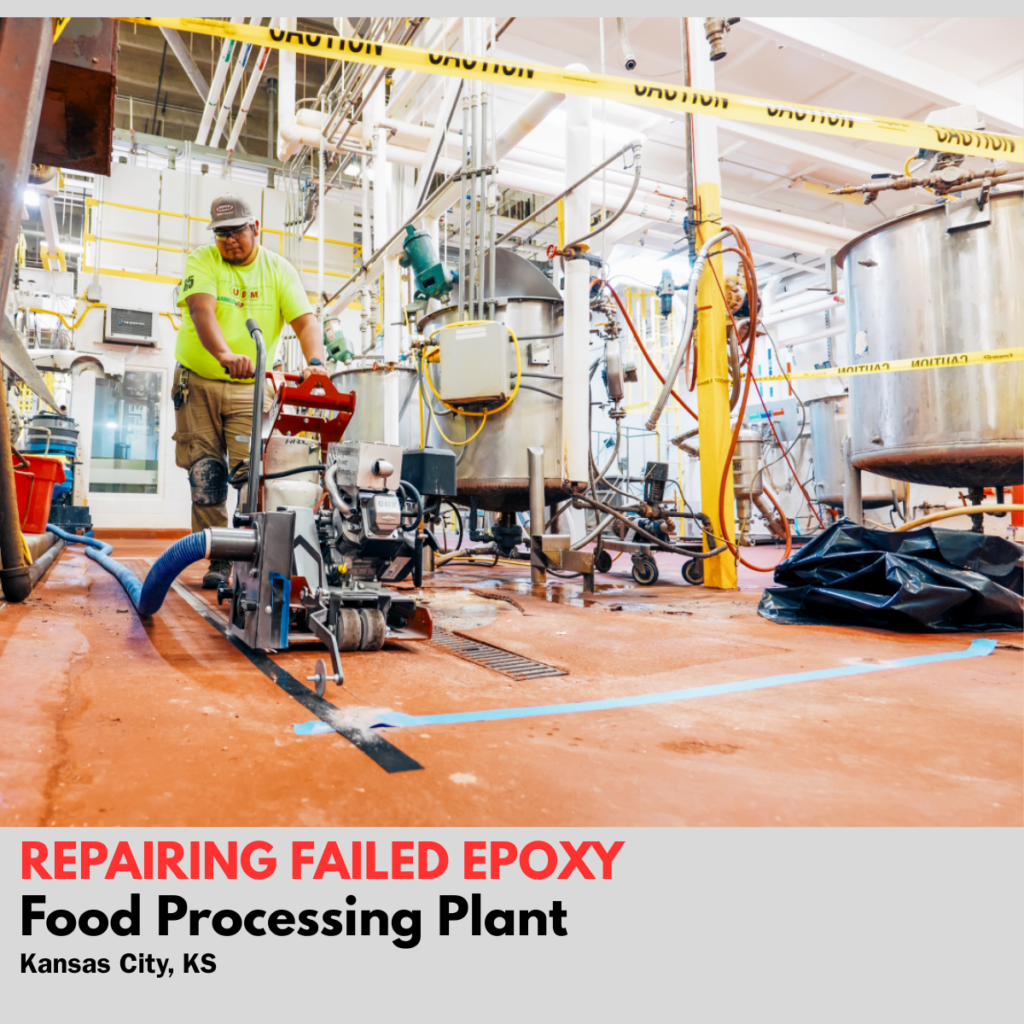
Ask how they plan to:
❓Separate work areas
❓Control dust and debris
❓Protect equipment
❓Coordinate with plant personnel
❓Minimize disruptions
❓Complete work during shutdowns or off-hours if necessary
An experienced contractor understands that your facility exists to manufacture products—not to manage contractors.
4. What Flooring Systems Do You Specialize In?
Be cautious of contractors who claim they install “everything.”

Industrial flooring systems are designed for different applications.
Examples include:
◆ Epoxy flooring
◆ Urethane cement
◆ Polished concrete
◆ Joint repair systems
◆ Concrete restoration
◆ Safety striping
◆ Chemical-resistant coatings
The right contractor should ask questions before recommending a system.
They should want to understand:
❗Traffic levels
❗Chemical exposure
❗Thermal shock
❗Moisture conditions
❗Cleaning procedures
❗Safety requirements
A recommendation should solve your operational challenges—not simply fit within a budget.
5. Can You Show Similar Projects?
Experience matters.
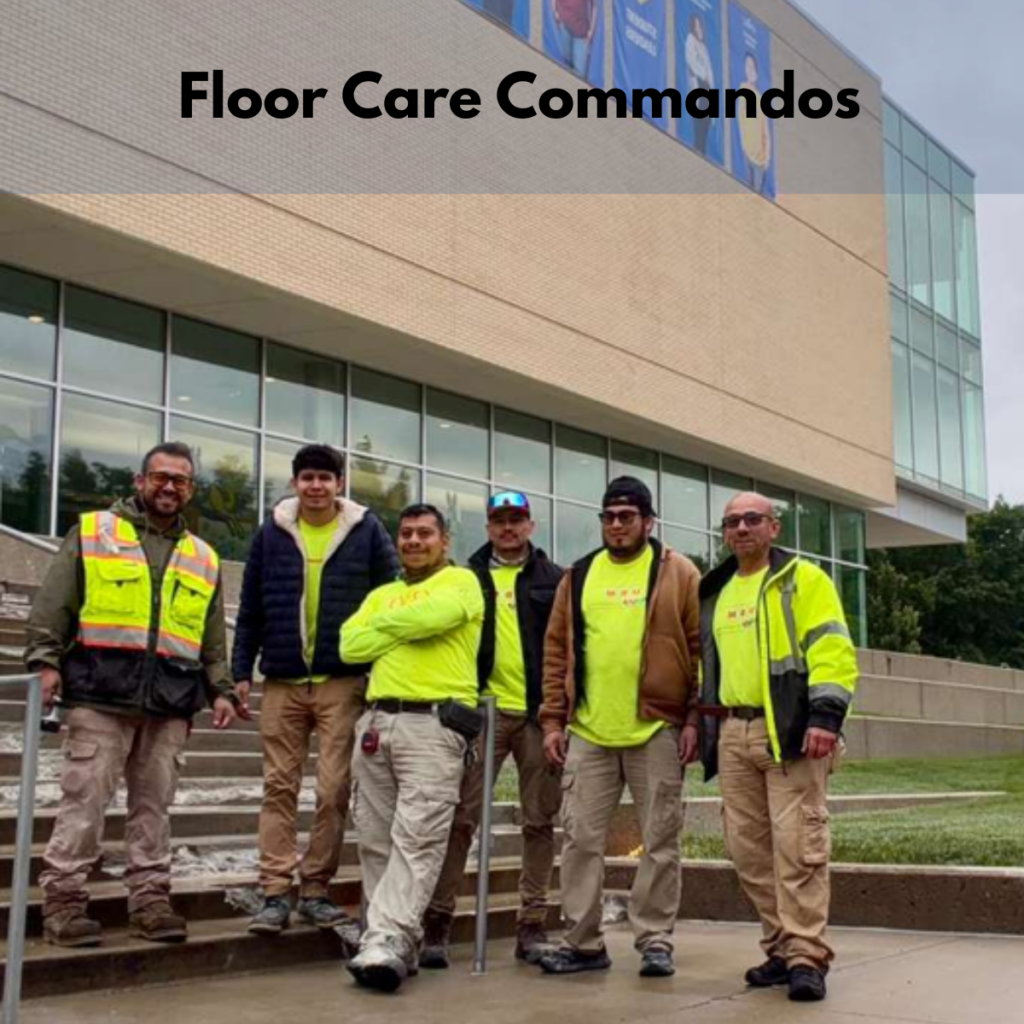
Ask for examples of projects similar to yours.
Request:
⭐ Before-and-after photos
⭐ References
⭐ Case studies
⭐ Project timelines
⭐ Types of facilities served
Seeing successful projects helps verify that the contractor has solved problems like yours before.
The Lowest Bid Isn’t Always the Best Value
Many facility managers focus heavily on price.

While budget is important, the true cost of an industrial flooring project includes:
⚠️Downtime
⚠️Production interruptions
⚠️Future repairs
⚠️Safety risks
⚠️Maintenance costs
⚠️ Service life of the flooring system
A low-cost installation that fails prematurely often becomes the most expensive option.
The goal isn’t to buy the cheapest floor—it’s to invest in the flooring system that delivers the lowest lifetime cost.
Final Thoughts
Hiring the right industrial flooring contractor isn’t just about finding someone who can apply epoxy or repair concrete. It’s about choosing a partner who understands your facility, protects your operations, and delivers long-term performance.
Before making your decision, ask these ❺ FIVE questions:
1. What industries do you typically work in?
2. What safety protocols do you follow on-site?
3. How do you manage active production environments?
4. What flooring systems do you specialize in?
5. Can you provide examples of similar projects?
The answers will quickly reveal whether you’re speaking with a contractor—or an industrial flooring expert.
About Advanced 360 Total Floor Care Systems
At Advanced 360, we specialize in industrial flooring solutions for warehouses, manufacturing facilities, food processing plants, healthcare, and distribution centers. Our team understands the demands of active production environments and focuses on minimizing downtime while delivering durable, long-lasting flooring systems.
➜ Explore Commercial Floor Care Services in Kansas City to see how Advanced 360 Total Floor Care can help protect your facility’s floors.
Whether you need concrete repairs, epoxy flooring, urethane cement, polished concrete, or joint restoration, our goal is simple: Pain-Free Service Guaranteed.
FAQs
How do I choose the right industrial flooring contractor?
- Look for a contractor with proven experience in facilities similar to yours, documented safety procedures, knowledge of multiple industrial flooring systems, and the ability to work around active production. Ask for photos, references, and examples of comparable projects before making a decision.
Can industrial flooring work be completed without shutting down production?
- In many cases, yes. An experienced industrial flooring contractor can phase the project, isolate work areas, coordinate around production schedules, and perform work during off-hours or planned shutdowns to minimize disruption.
What should an industrial flooring contractor consider before recommending a flooring system?
- The contractor should evaluate traffic levels, forklift activity, chemical exposure, moisture conditions, cleaning procedures, temperature changes, safety requirements, and expected downtime. The best flooring system should be based on how the facility actually operates—not simply the lowest upfront price.

Dana writes about commercial cleaning, healthcare environmental services, and professional floor care for Kansas City facilities. Through Advanced 360 Total Floor Care and Sani-SAFE Kansas City, Dana shares real-world guidance on facility maintenance, infection prevention, floor preservation, inspection readiness, and creating cleaner, safer environments.