

(Video Transcript Below)
In most commercial facilities, recycled rubber floor restoration typically costs between $6.50 and $8.50 per square foot. While that range provides a general benchmark, the actual cost varies based on several important factors related to the floor’s texture, condition, and maintenance history. Unlike hard-surface floors that rely on coatings for appearance, rubber flooring requires specialized restoration methods focused on soil removal, surface conditioning, and proper sealing. Pricing reflects the labor, equipment, and expertise required to restore rubber safely and correctly.
Why Recycled Rubber Floors Require Specialized Restoration
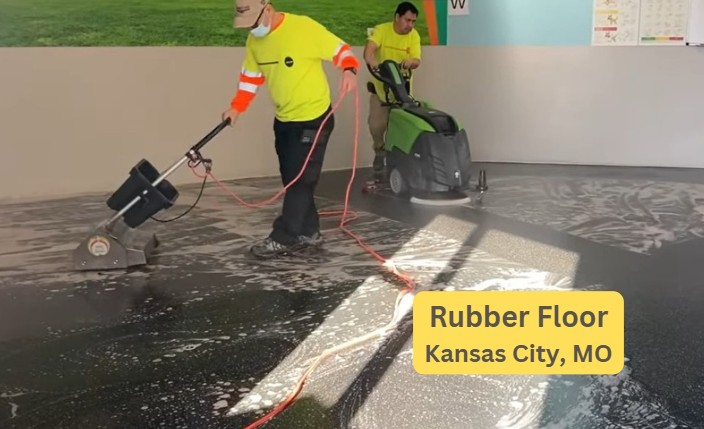
Recycled rubber flooring behaves very differently from VCT, LVT, or stone surfaces. Its elasticity, porosity, and textured design make standard cleaning methods ineffective — and sometimes harmful. Soil does not simply sit on the surface of rubber flooring. Instead, it becomes embedded into the texture, especially in high-traffic areas. Over time, this embedded soil dulls appearance, reduces traction, and accelerates wear if not addressed properly. Restoration focuses on removing that embedded soil while preserving the integrity of the rubber itself.
Key Factors That Affect Recycled Rubber Restoration Cost:
-Surface Texture
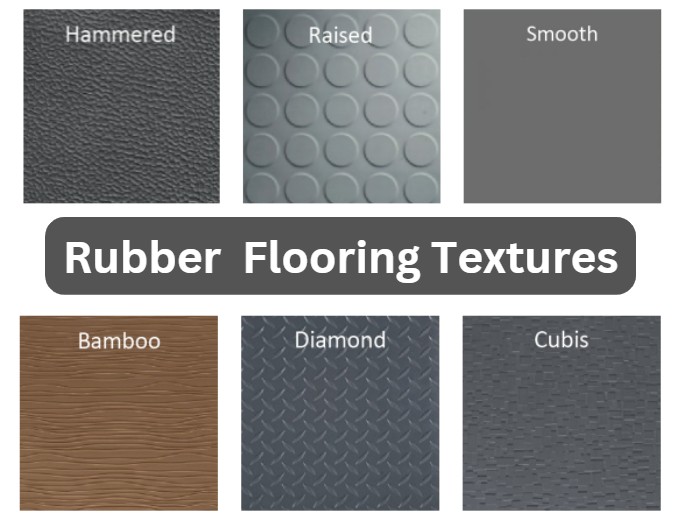
Recycled rubber flooring comes in both smooth and rough textures. Smooth rubber typically requires deep scrubbing and conditioning to restore appearance. Rough or heavily textured rubber holds significantly more soil and requires more aggressive scrubbing and additional labor to remove embedded contaminants.
The rougher the texture, the more time and effort required — which directly impacts cost.
-Embedded Soil and Wear
Rubber floors with heavy soil buildup take longer to restore. Soil trapped in textured surfaces must be loosened, agitated, and fully extracted. Facilities with inconsistent maintenance or improper cleaning methods often experience deeper contamination, increasing labor time.
-Chemistry Selection
Using the correct cleaning chemistry is critical for rubber flooring. Manufacturers specify approved products for a reason. Using the wrong chemical — especially acidic or overly aggressive cleaners — can cause surface degradation, discoloration, or chemical burns that permanently compromise the rubber. Professional restoration uses manufacturer-recommended chemistry designed to clean effectively without damaging the floor.
-Labor and Equipment Requirements
Recycled rubber restoration is labor-intensive. Larger spaces may require multiple days of work, specialized scrubbing equipment, extraction systems, and detailed surface preparation. As with most professional floor services, labor accounts for the majority of the total cost.
What the Recycled Rubber Restoration Process Includes
Proper recycled rubber floor restoration follows a structured, methodical approach designed to protect the flooring while restoring performance.
- Deep Scrubbing and Soil Agitation
- The process begins with deep scrubbing to loosen and agitate soil trapped within the rubber’s textured surface. This step is essential for removing contaminants that standard cleaning cannot reach.
- Extraction of Embedded Soil
- Once soil is loosened, it must be fully extracted from the floor. Leaving residue behind leads to rapid re-soiling and uneven appearance.
- Surface Conditioning
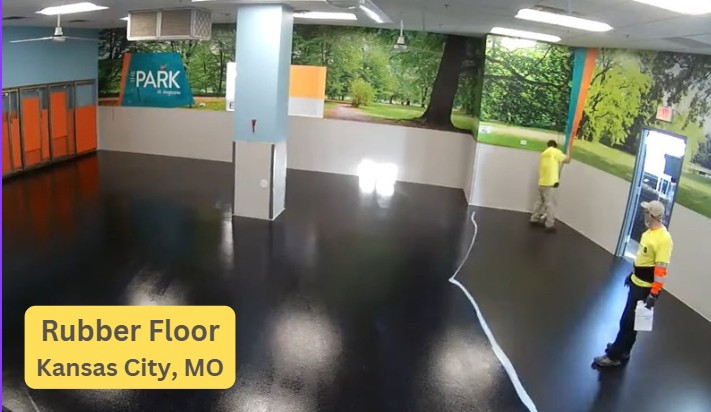
- After cleaning, the rubber surface is conditioned to restore flexibility, appearance, and performance without altering the material’s natural properties.
- Applying Proper Sealer
- A manufacturer-approved sealer is applied to help prevent rapid re-soiling and protect the rubber surface. This step is critical for extending the results of restoration and reducing future maintenance costs.
Why Improper Cleaning Damages Rubber Floors
One of the most common causes of premature rubber floor failure is improper cleaning. Using the wrong chemicals, excessive water, or aggressive methods can lead to irreversible damage. Acidic products can cause surface burns and breakdown of the rubber material. Once compromised, rubber flooring cannot simply be “polished back” like stone — replacement may be the only option. That’s why professional assessment and proper restoration methods are essential.
Is Recycled Rubber Floor Restoration Worth It?
In most cases, yes. Professional restoration is significantly more cost-effective than replacement. When restored and maintained correctly, recycled rubber floors can remain functional and attractive for many years. The benefits of rubber restoration include:
- Extended floor life
- Improved appearance and traction
- Reduced long-term maintenance costs
- Avoided downtime and replacement disruption
A proactive maintenance plan helps facilities protect their investment and control costs over time.
FAQs:
Can recycled rubber floors be restored instead of replaced?
In many cases, yes. Embedded soil, dullness, and wear can often be corrected through professional restoration. Replacement is typically only necessary when the rubber has been chemically damaged or structurally compromised.
How often should recycled rubber floors be professionally restored?
This depends on foot traffic and maintenance practices. Many facilities benefit from periodic professional restoration combined with routine cleaning to prevent heavy soil buildup and extend floor life.
Does sealing rubber floors make them slippery?
When the correct, manufacturer-approved sealer is used and applied properly, sealing improves cleanability without compromising traction. Professional application ensures the floor remains safe and functional.
If you want a clear recommendation, we can walk your space, assess your floors, and help you develop a plan that fits your facility’s needs.
➜ Explore Commercial Rubber Floor Cleaning and Restoration for dull, stained, or difficult to maintain rubber floors.
Call 913-322-6200 or email [email protected] to start the conversation today.
Video Transcript:
Recycled rubber floor restoration typically costs between $6.50 and $8.50 per square foot. However, actual pricing varies depending on several key factors.
Texture plays a major role in restoration cost. Recycled rubber floors come in both smooth and rough textures. Smooth rubber typically requires deep scrubbing and conditioning, while rough, textured rubber requires more aggressive scrubbing and additional labor to remove embedded soil. Rough textured rubber holds more soil and therefore requires more intensive cleaning.
Chemistry is another critical factor. Using the correct cleaning chemicals recommended by the manufacturer is essential. Using the wrong chemistry can lead to acid burn, which can compromise the integrity of the rubber floor.
Restoring recycled rubber floors includes removing embedded soil from the textured surface, deep scrubbing, loosening and agitating soil, and fully extracting it from the floor. After the embedded soil is removed, a proper sealer must be applied to help prevent the floor from re-soiling.
With the right maintenance approach, recycled rubber floors can remain beautiful and functional for many years. That is why it is worth seeking the proper solution for your specific needs.
If you want a clear recommendation, we can walk your space, assess your floors, and help you develop a plan that suits your facility. And if you ever have questions—remember, Mo knows.

Dana writes about commercial cleaning, healthcare environmental services, and professional floor care for Kansas City facilities. Through Advanced 360 Total Floor Care and Sani-SAFE Healthcare in Lenexa, Kansas, Dana shares real-world guidance on facility maintenance, infection prevention, floor preservation, inspection readiness, and creating cleaner, safer environments.