


Polished concrete has become a preferred flooring solution for commercial, industrial, and high-traffic environments. Facilities choose polished concrete because it is durable, low maintenance, and designed to perform for years without the constant upkeep required by traditional floor coverings. From warehouses and healthcare facilities to country clubs and office buildings, polished concrete offers a clean, modern appearance while reducing long-term maintenance costs.
One of the most common questions facility managers and property owners ask is: how much does polished concrete actually cost? The answer depends on several key factors, including the finish level, the condition of the slab, and the preparation required before polishing begins.
Finish Options and Typical Pricing
The level of grinding and polishing directly impacts both appearance and cost. Different finishes create different levels of shine, aggregate exposure, and durability.
Matte Finish
A low-sheen, non-reflective finish that provides a clean and natural look. This option is often selected for industrial or utility areas where performance is the priority.
Stained Concrete
A medium-sheen finish that introduces color and depth while maintaining durability and ease of maintenance. Staining is commonly used in retail spaces, showrooms, and commercial lobbies.
Gloss Finish
A high-reflective surface that enhances brightness, improves visibility, and creates a premium appearance. This finish is ideal for high-end commercial environments and customer-facing spaces.
Cream Finish – Approximately $4 per Square Foot
Minimal grinding that preserves the surface layer of the concrete while creating a smooth, refined appearance. This is typically the most cost-effective polishing option when the slab is in good condition.
Salt and Pepper Finish – Approximately $6 per Square Foot
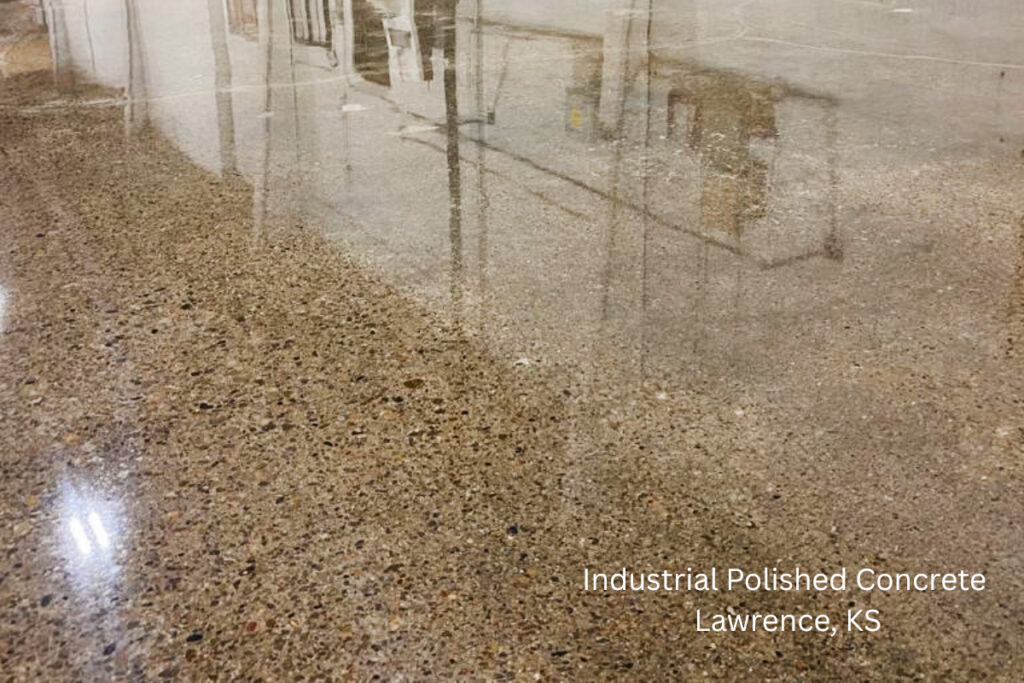
Light aggregate exposure that adds subtle texture and visual interest. This is one of the most popular finishes for commercial facilities due to its balance of aesthetics and performance.
Exposed Aggregate – Approximately $9 per Square Foot
Deeper grinding that reveals larger stone within the slab. This finish creates a bold, high-end look and is often used in large open spaces, showrooms, and statement areas.
What Is Currently on the Floor?
The existing flooring system plays a major role in overall project cost. Preparation is often the most time-intensive part of the polishing process.
Bare Concrete
If the slab is already exposed and in good condition, the process may only require grinding, densifying, and polishing. This typically results in lower project costs.
Existing Floor Coverings
Materials such as VCT, LVT, rubber, epoxy, or coatings must be professionally removed before polishing can begin. Adhesive removal and surface prep add both labor and time to the project.
Carpet
Carpet and glue residue must be fully removed, followed by surface cleaning and evaluation of the slab condition underneath.
Tile or Other Hard Surfaces
Tile, thinset, and other hard materials require mechanical removal to properly expose the concrete for polishing.
Condition of the Concrete Slab
The condition of the slab is one of the most critical pricing factors. Even two facilities with the same square footage can have very different costs depending on the surface condition.
Key considerations include:
-
Cracks, chips, or surface damage requiring repair
-
Previous coatings or patchwork
-
Slab flatness and consistency
-
Moisture issues or contamination
-
Total square footage of the project
Larger projects often benefit from lower per-square-foot pricing due to efficiency and mobilization spread across a bigger area. Smaller areas may have higher minimum costs because of equipment setup and labor requirements.
Scheduling and Site Access
Project logistics also affect both cost and timeline, especially in active commercial environments.
Important factors include:
-
Ability to work during normal business hours versus nights or weekends
-
Availability of adequate electrical power on-site
-
Ease of access to the work area
-
Phasing requirements to avoid operational disruption
-
Safety protocols in healthcare or industrial facilities
For occupied buildings, phased polishing plans are often recommended to maintain operations while work is completed safely and efficiently.
Long-Term Value of Polished Concrete
While initial costs may vary, polished concrete is widely recognized as a long-term investment rather than a short-term flooring solution. Unlike coatings, waxed floors, or soft surfaces, polished concrete does not require frequent stripping, waxing, or replacement.
This significantly reduces:
-
Ongoing maintenance costs
-
Chemical usage
-
Labor requirements
-
Floor downtime
Over time, many facilities find that polished concrete lowers their total lifecycle flooring costs while maintaining a consistently professional appearance.
Maintenance Considerations
One of the major advantages of polished concrete is its simple maintenance routine. Daily dust mopping and routine auto-scrubbing with the proper pads and neutral cleaners are typically all that is required to maintain performance and shine.
With proper maintenance, polished concrete can maintain its appearance for many years without the need for resurfacing or replacement.
Summary
Polished concrete is a durable, cost-effective flooring solution that delivers long-term performance, modern aesthetics, and reduced maintenance demands. By understanding finish options, slab condition, preparation needs, and project logistics, facility managers can make informed decisions and plan accurate budgets for their space.
Working with a specialized floor care provider ensures the slab is evaluated correctly, the proper finish is selected, and the polishing process is completed safely and efficiently for lasting results.
FAQs
1. Is polished concrete cheaper than epoxy or VCT over time?
In many commercial environments, polished concrete is more cost-effective over the long term because it does not require stripping, waxing, recoating, or frequent replacement. While the upfront cost may be similar or slightly higher, lifecycle maintenance costs are typically much lower.
2. How long does polished concrete last?
When properly installed and maintained, polished concrete can last decades. Unlike surface coatings, it does not peel or delaminate because the finish is mechanically polished into the slab itself.
3. Can any concrete floor be polished?
Most structurally sound concrete slabs can be polished, but the final appearance depends on the condition, age, and composition of the concrete. A professional evaluation is recommended to determine repair needs, finish options, and expected results.
If you want a clear recommendation, we can walk your space, assess your floors, and help you develop a plan that fits your facility’s needs. Call 912-322-6200 or email [email protected] to start the conversation today.

Dana shares simple, helpful floor-care insights for Advanced 360 Floor Care to support Kansas City businesses in keeping their facilities safe, clean, and professional.