

(video transcript below)
People often think epoxy is epoxy.
Did you know that there are different flooring systems with each designed for specific environments?
Choosing the wrong one for your facility is one of the biggest mistakes we see with industrial and warehouse floors.
The Two Most Common Systems
The two most common resinous flooring systems are:
- Epoxy
- Urethane Cement
-> While they may look similar, they perform very differently depending on the environment.
Where Epoxy Works BEST
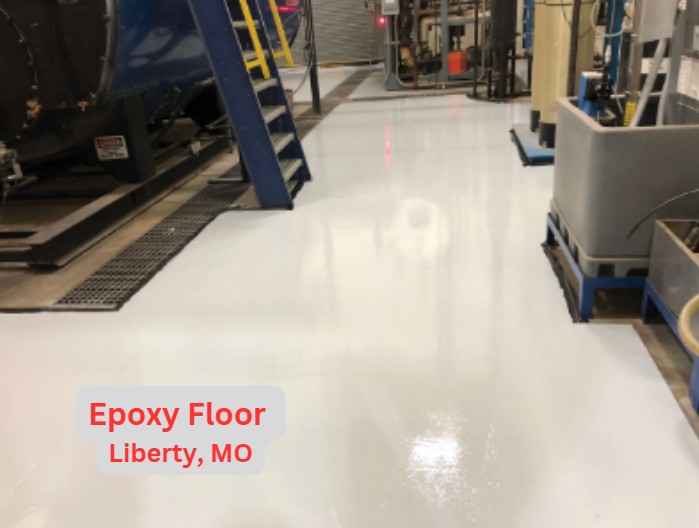
Epoxy creates a hard, smooth, and durable surface.
In the right setting, epoxy is a reliable and cost-effective solution.
It performs well in controlled environments such as:
- Warehouses
- Light industrial spaces
- Showrooms
- Manufacturing areas (non-washdown)
- Mechanical and electrical rooms
- Storage areas
- Retail and commercial spaces
-> These are environments where conditions stay consistent – and the floor isn’t under constant stress.
Where Epoxy FAILS
Problems arise when epoxy is used in the wrong environment.
Epoxy does not perform well when exposed to:
- Moisture
- Thermal shock
- Extreme temperature changes
In these conditions, epoxy can begin to:
- Peel
- Delaminate
- Failure (prematurely)
-> The floor may look great at first, but then over time performance issues start to show.
Where Urethane Cement Works BEST
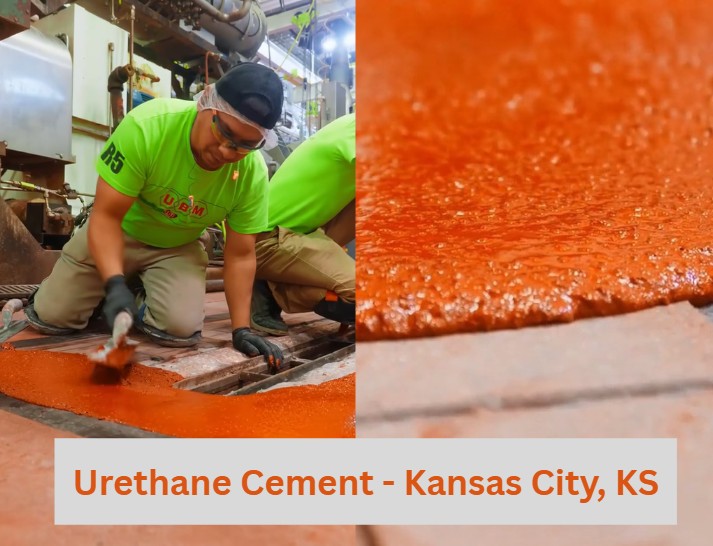
Urethane cement is built for harsher conditions.
It is specifically designed to handle:
- Moisture
- Heat, cold, and temperature swings
- Thermal shock
- Chemical exposure
- Heavy traffic and impact
This makes it a better fit for environments such as:
- Food processing plants
- Washdown areas
- Commercial kitchens
- Cold storage and freezers
- Dairy and beverage facilities
- Chemical processing areas
- Industrial plants with frequent cleaning cycles
-> These are spaces where standard epoxy systems simply cannot hold up long-term.
The Most Common Mistake
Many facilities choose standard epoxy because of the lower upfront cost.
But when the environment requires urethane cement, that decision often leads to failure.
The system may look good initially, but if it cannot handle the real-world conditions of the facility, it will not last.
And when it fails, you are back to dealing with:
- Repairs + Downtime = $$$ in Additional Costs
How to Choose the Right System
Selecting the right flooring system comes down to one thing:
Understanding how the floor will actually be used:
- Daily traffic
- Exposure to moisture
- Temperature fluctuations
- Cleaning processes (especially washdowns)
-> When those factors are clearly understood, the right system becomes much easier to identify.
A Better Approach
If you are not sure which system your facility actually needs, it is worth taking a closer look before moving forward with installation.
Because once the wrong system is installed, the cost of fixing it is always higher than doing it right the first time.
If you want a clear, straightforward answer, we can walk your facility with you and evaluate exactly what your floor requires.
No guesswork. No overcomplication. | Just the right system for the environment.
FAQs
What is the main difference between epoxy and urethane cement?
Epoxy is best for dry, controlled environments, while urethane cement is designed for harsh conditions like moisture, temperature swings, and washdowns. The right choice depends on how your facility operates.
Why does epoxy fail in some facilities?
Epoxy can fail when exposed to moisture, thermal shock, or extreme temperature changes. In these environments, it may peel, delaminate, or break down over time because it is not designed for those conditions.
Is urethane cement worth the higher cost?
In the right environment, yes. While urethane cement has a higher upfront cost, it prevents premature failure, reduces downtime, and avoids the cost of reinstallation—making it the better long-term investment for demanding facilities.
If you want a clear recommendation, we can walk your space, assess your floors, and help you develop a plan that fits your facility’s needs. Call 913-322-6200 or email [email protected] to start the conversation today.
➜ Explore Industrial Floor Coating Solutions designed for chemical exposure, heavy traffic, and demanding facility conditions.
(video transcript)
Epoxy vs. Urethane Cement: Choosing the Right Floor for Your Facility
People often think epoxy is epoxy.
But the truth is, there are different types of flooring systems, especially designed for different environments. Choosing the wrong one for the needs of the facility is one of the biggest mistakes we see with industrial floors.
The two most common systems are epoxy and urethane cement.
Epoxy creates a hard, smooth, and durable surface that performs well in controlled environments like warehouses, light industrial spaces, and showrooms where conditions are generally dry and stable.
However, epoxy does not perform well when exposed to moisture, thermal shock, or extreme temperature changes. In these environments, it can begin to peel, delaminate, and fail over time.
Urethane cement is built differently. It is designed to handle harsher conditions, including moisture, heat, cold, and thermal shock. This makes it a better fit for environments like commercial kitchens, food processing plants, brewery floors, and washdown areas.
Many people choose epoxy due to its lower upfront cost, but that often leads to major issues when the environment actually requires urethane cement. The floor may look good initially, but when the system cannot sustain the conditions of the facility, premature failure often follows.
Selecting the right system comes down to understanding how the floor will be used and what environmental conditions it will be exposed to.
If you are not sure which system your facility actually needs, it might be worth taking a closer look before moving forward with installation.
If you ever want a clear analysis, we can walk your building with you and give you a straightforward answer.
And if you ever have questions, just remember – Mo knows.

Dana writes about commercial cleaning, healthcare environmental services, and professional floor care for Kansas City facilities. Through Advanced 360 Total Floor Care and Sani-SAFE Healthcare in Lenexa, Kansas, Dana shares real-world guidance on facility maintenance, infection prevention, floor preservation, inspection readiness, and creating cleaner, safer environments.